
Celona Frequency 2026: The Self-Managed Shift and Why Celona Is Handing Over the Roadmap

Celona’s strategy reflects a vendor that listens, prioritizes, and executes, with a clear focus on real use cases, real operational challenges, and the ROI behind them.
Google Cloud: 8th-Generation TPU Family Splits Training and Inference

At Google Cloud Next 2026, Google unveiled its 8th-generation Tensor Processing Unit (TPU) family, splitting its custom silicon lineup into two purpose-built architectures for the first time.
The TPU 8t targets large-scale model training, emphasizing compute throughput and scale-up bandwidth, while the TPU 8i addresses inference and reasoning workloads, emphasizing memory bandwidth and low-latency communication.
Google Cloud Next ‘26: Storage Infrastructure Advances + the NetApp Partnership

At its recent Next ’26 conference, Google Cloud advanced its storage portfolio across three fronts: high-performance infrastructure for AI training and inference, intelligent metadata capabilities built directly into the storage layer, and expanded ecosystem integrations.
The announcements span Cloud Storage Rapid, Google Cloud Managed Lustre with 10 TB/s throughput, Hyperdisk Exapools, Smart Storage automation, and material expansions to the Google Cloud NetApp Volumes service, including a deeper partnership with NetApp.
IBM’s AI Strategy: Play the Long Game, Not the Headlines

IBM reported 6% revenue growth, expanding margins, strong free cash flow, and software acceleration in its Q1’2026 earnings.
The more consequential signals, however, came from the strategic narrative beneath those figures. IBM is not competing for the most visible positions in AI, but rather building the infrastructure layer that enterprises will ultimately depend on, regardless of their more tactical AI choices.
ServiceNow Earnings: The Real AI Story Isn’t What You Think
ServiceNow delivered a strong fiscal Q1 2026, exceeding guidance across revenue, margins, and bookings. This earnings call offers a clearer view of how AI is reshaping enterprise software and of ServiceNow’s role in that shift. The implications span pricing architecture, competitive positioning, labor economics, and how enterprises actually spend.
P5G Alone Won’t Unlock Value

Investing in ecosystems, and building partnerships that actually matter will define the next decade of industrial connectivity.
Google Cloud Next 2026: Enterprise AI Enters Production

Google Cloud Next 2026, held last week in Las Vegas, delivered a clear, consistent message: the experimental phase of enterprise AI is over, and the production phase of autonomous agent deployment has begun. Google made an incredible 260 announcements at the event, with most aligned with the idea that enterprises will increasingly operate through fleets […]
SUSECON 2026: SUSE Shows Off Platform Strategy and Agentic Infrastructure

SUSECON 2026, recently held in Prague, saw SUSE lay out a coherent platform direction, shifting from being primarily a Linux and Kubernetes distribution vendor to a provider of an integrated open infrastructure stack spanning virtualization, edge, and AI-augmented operations.
Why Nokia Is Becoming a Major Data Center “Day Zero” Vendor
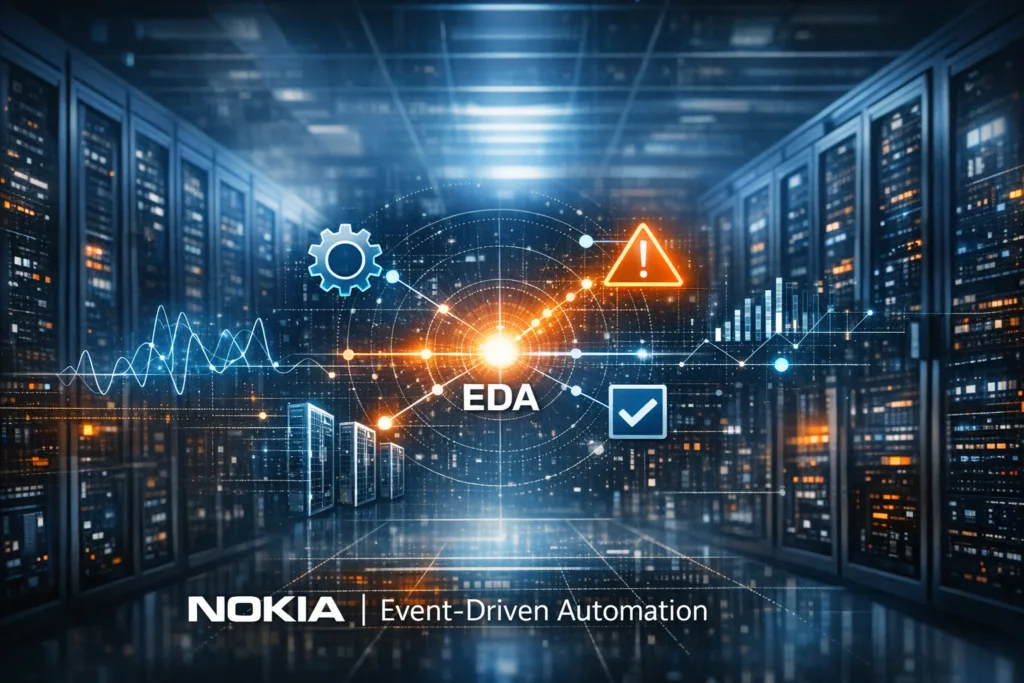
In a market full of incumbents modernizing legacy systems, Nokia is the rare vendor starting from zero, and that’s exactly why they’re gaining traction.
CrowdStrike RSA 2026 Announcements: Securing Agentic Workflows

CrowdStrike used the RSA Conference 2026 to announce a set of capabilities that directly address the problem of securing agentic workflows, based on the premise that the enterprise endpoint is the correct control plane for AI security governance.
Nutanix .NEXT 2026: Beyond the Hypervisor
Nutanix held its annual .NEXT user conference earlier this month in Chicago drew more than 5,000 attendees and over 100 sponsors. The event came at an inflection point for enterprise infrastructure, as the post-VMware market continues to consolidate, AI workloads move from pilot to production, and hardware supply constraints continue to complicate infrastructure planning.
MEXT: Predictive Memory Software to Control DRAM Costs

MEXT, a Santa Clara-based startup founded just three years ago, recently launched Predictive Memory, a software-only solution that uses AI-driven prediction to extend effective server memory capacity by treating flash storage as a transparent extension of DRAM.
The company claims its product reduces infrastructure costs by 50% and increases usable memory capacity by 2x to 4x without requiring changes to hardware, operating systems, or applications.
Arista’s Early Lead in the Race to Rebuild the Data Center

And while the race is far from over, Arista has carved out an early lead.
Dynatrace Extends Observability Platform with Bindplane Acquisition

Dynatrace has announced a definitive agreement to acquire Bindplane, an OpenTelemetry-native telemetry pipeline vendor formerly known as observIQ. Bindplane closes a gap in the Dynatrace platform at the data ingestion layer, extending its capabilities to edge-level telemetry collection, processing, and routing across hybrid and multi-cloud environments.
P5G in 2026: The Great Divide Between Carpet and Concrete
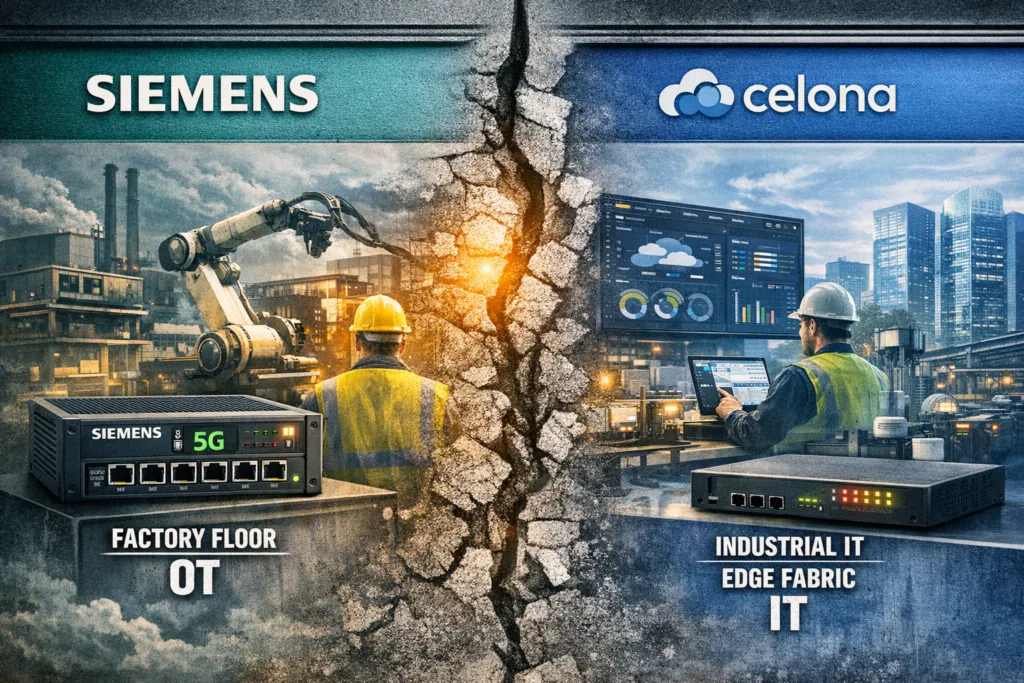
Neither Siemens nor Celona is wrong. They’re just solving different problems for different people.
IBM & Arm: Together Extending Arm Architecture into Enterprise Computing
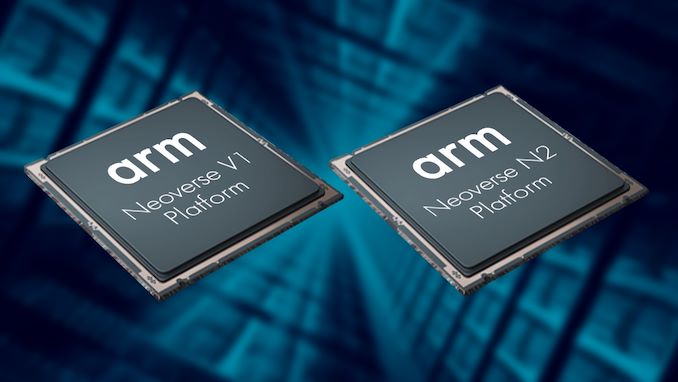
IBM and Arm announced a strategic partnership to support the Arm architecture on IBM’s enterprise computing platforms, IBM Z and LinuxONE. The collaboration aims to address two key enterprise needs: greater workload flexibility and infrastructure capable of handling AI- and data-heavy applications at a mission-critical level.
MLPerf Inference 6.0: Software Gains & Broadening Competition Shake Things Up
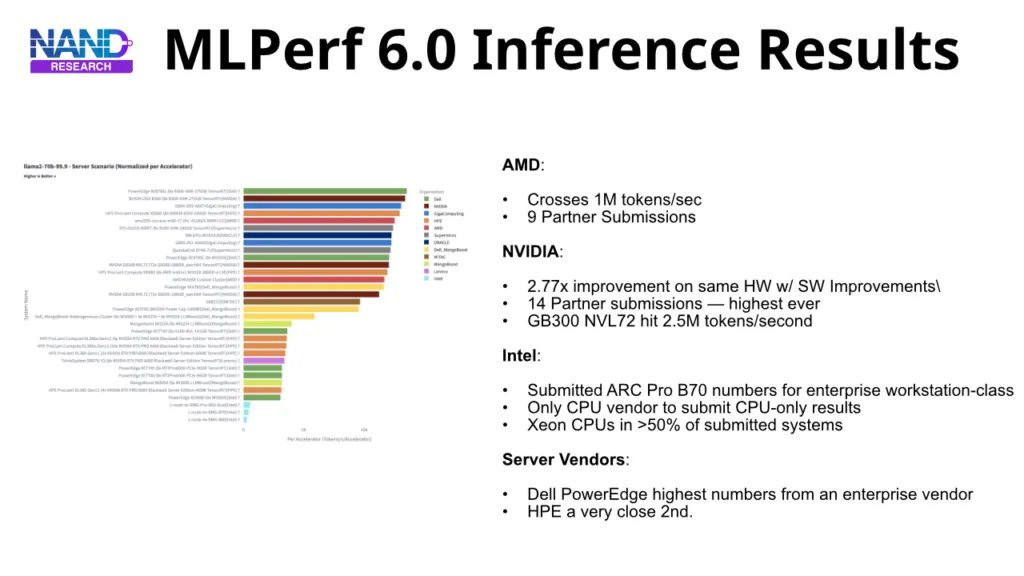
MLCommons released MLPerf Inference v6.0 results, marking what the consortium describes as the most significant update to the benchmark suite to date.
The round introduced five new workloads, including a multimodal vision-language model, a text-to-video generation benchmark, and a new interactive scenario for the DeepSeek-R1 reasoning model.
RSAC 2026: Agentic AI Security Takes Center Stage at Industry’s Marquee Event
If RSAC 2025 was the year the industry debated AI’s role in security, RSAC 2026 was the year the debate ended. Agentic AI, with its autonomous systems that perceive, decide, and act without human intervention, dominated every keynote, expo-floor conversation, and press release at this year’s conference.
From Zero Trust to Zero Assumption: The RSAC 2026 Vibe Shift

Zero Trust, as it’s been marketed for the last decade, has officially entered its “participation trophy” era.