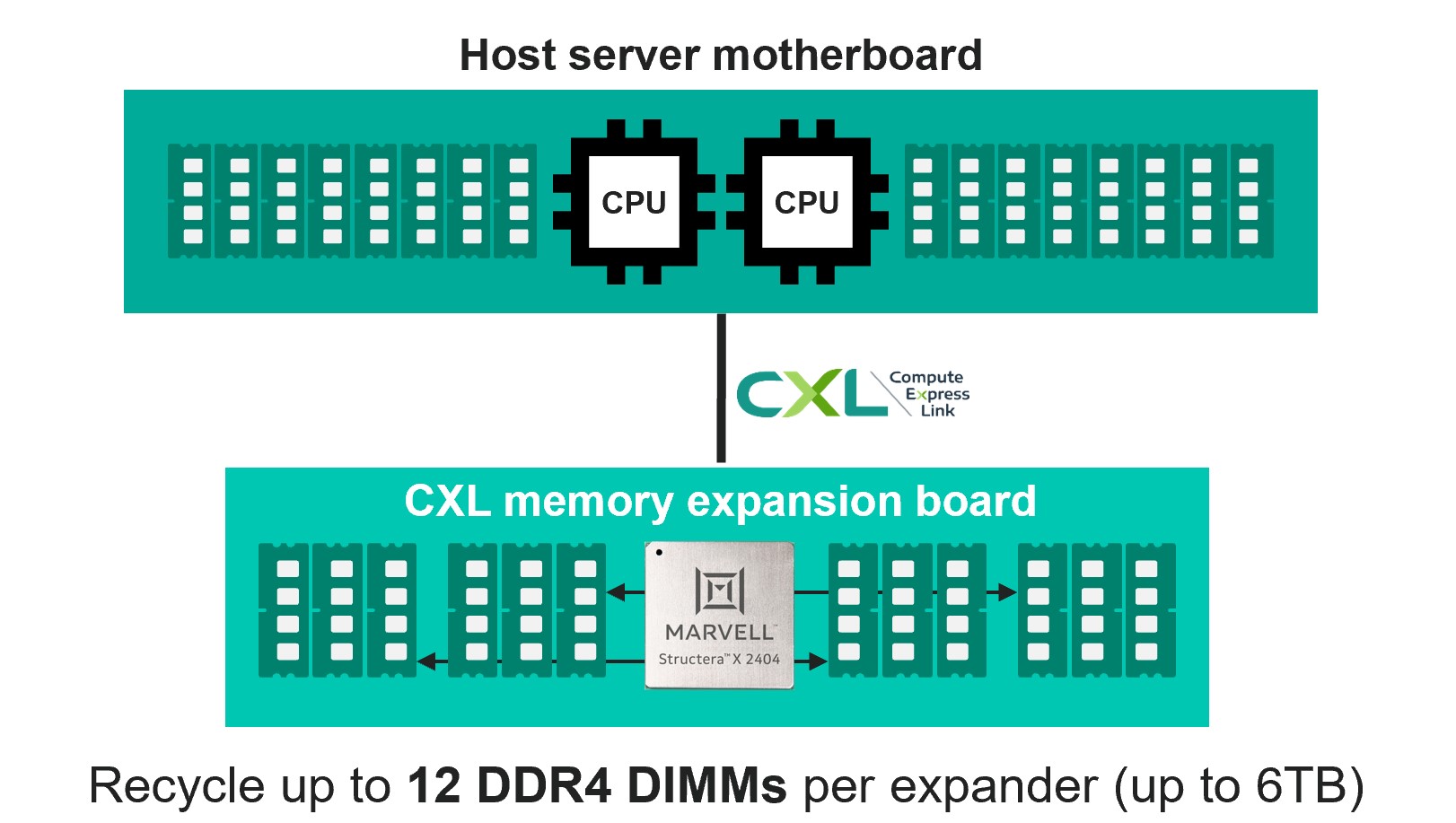

Just before the Holiday break, I participated in an advisory session on the current state of the memory and NAND market, which is experiencing a marked upturn driven by constrained supply of legacy DRAM products and surging demand from higher-margin products like HBM and DDR5.
Here I’m sharing some of the notes I used for that discussion.
Current Market Situation
Supply-side conservatism:
- Major suppliers (Samsung, SK hynix, Micron) prioritizing profitability over volume expansion
- Short-term contracts replacing long-term commitments
- Cautious about overbuilding after boom-bust cycles
- New fab construction: 1-2+ years; equipment lead times: 6 months; payback: 7-10 years
Spot market chaos:
- DDR4 mainstream chips (1Gx8 3200MT/s): up 9.52% week-over-week to $21.75
- 512Gb TLC NAND wafers: up 19.73% in one week to $11.517
- Kingston (top module supplier) implemented substantial price hikes
- Some spot traders delaying inventory releases, betting on further increases
Pricing environment:
- DRAM cost per bit: up 20% in Q1 FY2026; bits shipped slightly up
- NAND cost per bit: up mid-teens; bits shipped up mid-to-high single digits
- Revenue growth substantially exceeding bit shipment growth = pure pricing power
- Suppliers shifting from fixed-price to floating-price contracts mid-quarter
PC makers downgrading specifications:
- Dell and Lenovo issuing price-hike warnings to customers
- Dell raising prices 15-20%, potentially effective mid-December
- Dell COO: “never seen memory-chip costs rise this fast”
- Standard 512GB SSDs being cut to 256GB
- 1TB models scaled back to 512GB
- Memory module makers’ inventory lasting only until Q1 2026
- Some suppliers running out as early as March
- Industry sources: Q4 scramble “toughest in nearly a decade”
- Warning: By Q2 2026, may be “no stock left to ship”
Timeline expectations:
- Current shortage expected through at least H1 2026
- Super-cycle likely extending past 2028 per industry consensus
- Meaningful capacity additions: late 2026 at earliest, more likely 2027-2028
| Segment | Trend | Key Drivers |
| DDR4/LPDDR4X | Phase-out acceleration; severe shortage | • Samsung and SK hynix winding down DDR4 production • China’s ChangXin ended most DDR4 production • Suppliers shifting capacity to higher-margin DDR5 • Legacy product inventories depleted (2-4 weeks vs. 13-17 weeks in late 2024) • Mid-tier suppliers receiving no allocations • Prices rising despite obsolescence trajectory |
| DDR5/LPDDR5X | Extreme shortage; unprecedented price surge | • DDR5 components up 70% YoY; some parts spiking 170% LPDDR5X 12GB jumped from ~$33 to ~$70 (>100% increase in 2025) • AI server demand consuming high-capacity DDR5 production • Samsung fulfilling only ~70% of incoming orders • SK hynix converting ~50% commodity DRAM to 1c node, still insufficient • Major suppliers prioritizing data center customers over PC/mobile • Samsung mobile division forced to source externally from Micron • Spot prices (DDR4 1Gx8 3200MT/s): up 9.52% week-over-week to $21.75 |
| HBM (HBM3E/HBM4) | Explosive growth; capacity sold out years ahead | • HBM TAM revised: $100B by 2028 (previously 2030); 40%+ CAGR • Micron HBM revenue up 5.7x YoY in Q1 FY2026 to ~$4.27B • NVIDIA GB200: 192GB per chip; AMD MI350: 288GB HBM3E • Micron can meet only “half to two-thirds” of key customer demand • SK hynix, Samsung, Micron all in paid HBM4 sample phase for NVIDIA Rubin • Hyperscalers stockpiling for multi-year AI infrastructure buildout • Samsung prioritizing HBM production over mobile DRAM internally • Six-year cumulative HBM revenues (2025-2030): $555B vs. $378B forecast a year ago |
| NAND Flash (eMMC/UFS/Enterprise SSD) | Historic shortage; “dry-year” conditions | • Q2 2026 scenario: “no stock left to ship” • Module maker inventories lasting only until Q1 2026; some out by March • November contract prices up 20-60% across all product categories • Micron quotes jumped ~50% in single month • Spot 512Gb TLC wafers: up 19.73% in one week to $11.517 • Enterprise SSD contract prices rising >25% QoQ in Q4 • NAND supplier inventory: 7-10 weeks (down from 10-15 weeks in early Q3) • AI servers and hyperscalers crowding out PC/mobile supply • Conservative capacity expansion after years of volatility |
| QLC SSDs (Enterprise/Client) | Severe shortage; product downgrades across industry | • PC OEMs downgrading specs: 512GB→256GB; 1TB→512GB • Transcend: no new NAND shipments since October; Q4 allocation “sharply cut” • SanDisk hiked Transcend’s November prices 50% in one shot • Buyers moving to floating-price arrangements to avoid further hikes • Micron’s datacenter NAND business exceeded $1B for first time (Q1 FY2026) • Micron’s G9 QLC (122TB/245TB) entering hyperscaler qualification • Cloud providers prioritizing enterprise SSDs for AI infrastructure • Dell, Lenovo, HP raising PC prices 15-20% due to memory/NAND costs • TrendForce: 2026 notebook shipments revised to -2.4% (from +1.7% growth) |
Per-Vendor Dynamics
- All major suppliers (Samsung, SK hynix, Micron) prioritizing HBM and enterprise over consumer
- Industry-wide phase-out of DDR4 and older NAND nodes
- Conservative capacity expansion despite extreme shortage
- Short-term contracts replacing long-term commitments
- Profitability over market share volume
Competitive Dynamics:
- HBM leadership: SK hynix > Samsung (recovering) > Micron (solid third)
- Mobile DRAM shift: Micron gaining at Samsung’s expense
- Technology race: Samsung (1c LPDDR6 first-mover) vs. Micron (1γ competitive positioning)
- Geographic advantage: Micron leveraging U.S. sovereignty; Asian suppliers face geopolitical headwinds in some markets
Supply Timeline:
- 2025-Q1 2026: Acute shortage across all categories
- Q2-Q4 2026: Shortage persists; possible “no stock available” scenarios
- 2027: First meaningful new capacity (Micron Idaho, Singapore HBM packaging, possible PSMC)
- 2028-2030: Major capacity additions (Micron New York, second Idaho fab); market potentially rebalancing
- Risk window: 2027-2028 could see oversupply if AI demand moderates and all planned capacity arrives
| Supplier | Memory/NAND Type | Reported Yield/Capacity/Tech Issues | Implications/Risks |
| Samsung Electronics | HBM3E/HBM4 | • Recovering from HBM3e setbacks with major customers • HBM4 paid samples delivered to NVIDIA; quality checks underway • Leveraging in-house 4nm foundry process • DRAM technology reportedly one generation ahead of competitors • Likely second-largest HBM4 supplier to NVIDIA (after SK hynix) • Reportedly supplying HBM to Broadcom; HBM4 exceeds Broadcom’s performance targets • Final contracts expected Q1 2026 | • Successfully rebuilding NVIDIA relationship after HBM3e qualification delays • Strong technical differentiation through integrated foundry+DRAM capabilities • Risk: Still playing catch-up to SK hynix in HBM market share |
| Samsung Electronics | DDR5/LPDDR5X | • Fulfilling only ~70% of incoming DRAM orders • Closing Q4 deals at ~40% premium over previous quarter • Shifted mobile DRAM contracts from long-term to quarterly pricing • Pausing long-term supply commitments despite customer pressure • Converting production lines to prioritize HBM over commodity DRAM • “Cautious semiconductor supply strategy” emphasizing profitability over expansion | • Internal conflict: Semiconductor division (DS) prioritizing high-margin HBM; Mobile division (MX) facing supply shortages • DS supplying only minimum volumes to MX for 2026 • Risk: Losing mobile DRAM market share to Micron (Galaxy S25 used Micron as primary supplier for first time ever) • Strategic choice: Maximizing margins over market share in commodity DRAM |
| Samsung Electronics | DDR4/LPDDR4X | • Winding down DDR4 production (continuing into 2026 but phasing out) • Cut Transcend (32-year partner) to zero October allocation • Shifted Transcend pricing from quarterly to monthly in Q4 • Prioritizing top-tier customers; abandoning smaller clients | • Accelerated phase-out of legacy, lower-margin products • Capacity reallocation to DDR5 and HBM • Risk: Alienating long-term channel partners and module makers • Market consolidation favoring Samsung’s largest strategic accounts |
| Samsung Electronics | NAND Flash | • Delayed deliveries to second-tier customers like Transcend • Zero deliveries to Transcend in October; halted November pricing • Prioritizing hyperscaler and enterprise customers • No announced capacity expansion plans despite severe shortage | • Conservative approach reflects painful lessons from previous NAND oversupply cycles • Risk: Missing revenue opportunity during shortage period • Opportunity: Premium pricing on allocations to strategic customers • Challenge: Balancing short-term profits vs. long-term customer relationships |
| Samsung Electronics | LPDDR6 (Next-Gen) | • Frontrunner in LPDDR6 development • Built on 1c (12nm-class) DRAM process • 11% performance boost, 21% better energy efficiency vs. LPDDR5X • Up to 1.5× higher data bandwidth for LLM workloads • Showcase planned for CES 2026 • Mass production potentially by year-end 2025 • Possible debut in select Galaxy S26 models (or S27) | • Technology leadership position in mobile DRAM roadmap • Potential to recapture Galaxy flagship supply after losing S25 to Micron • Risk: Timing uncertain—rushing to market vs. ensuring qualification • Opportunity: First-mover advantage if competitors lag in LPDDR6 transition |
| SK hynix | HBM3E/HBM4 | • Market leader in HBM; positioned as largest NVIDIA supplier • HBM4 mass-production system confirmed in place • Delivering 20,000-30,000 paid final HBM4 samples to NVIDIA • Redesign rumors “unfounded”—handling only minor performance tweaks • Q4 2025 shipment start; full sales ramp planned for 2026 • Final contracts expected Q1 2026 | • Commanding position as NVIDIA’s primary HBM supplier • Technical execution ahead of Samsung and Micron • Risk: NVIDIA diversifying suppliers; Samsung closing gap • Opportunity: Dominant market share if HBM TAM reaches $100B by 2028 • Volume advantage translating to manufacturing experience and cost curves |
| SK hynix | DDR5/Commodity DRAM | • Converting ~50% of commodity DRAM capacity to 1c (latest generation) • Acknowledges transition still won’t fully meet customer demand • Paused shipments; renegotiating contracts at ~40% price premiums • Capex planned at ~30% of revenue for 2026 • Expects DRAM prices to rise for several years • Relying on short-term contracts to preserve pricing flexibility | • Aggressive technology transition to 1c node while maintaining supply discipline • Even with 50% conversion, supply gap persists—indicating structural undersupply • Risk: High capex (~30% of revenue) creates execution risk if AI demand slows • Strategy: Betting on multi-year super-cycle; avoiding long-term contracts that lock in suboptimal pricing • Implication: Supply shortage likely persisting through 2026-2027 minimum |
| SK hynix | DDR4/Legacy DRAM | • Winding down DDR4 production (continuing into 2026 but phasing out) • Capacity reallocation to DDR5 and HBM | • Following industry-wide shift away from legacy products • Prioritizing capacity for higher-margin, advanced-node products • Lower risk than Samsung due to less exposure to consumer/channel markets |
| Micron Technology | HBM3E/HBM4 | • Re-entered HBM market “at just the right time” with strong differentiation • HBM revenue up 5.7× YoY in Q1 FY2026 to ~$4.27B • Major supplier to AMD: 12H HBM3E for MI350 (288GB per chip) • HBM4 samples met NVIDIA specifications; customer samples (CS) delivered • Expected to remain third-ranked NVIDIA supplier behind SK hynix and Samsung • HBM packaging plant in Singapore contributing to supply in 2027 | • Strong technical execution and U.S. sovereignty advantage • AMD relationship providing volume anchor outside NVIDIA • CEO: Can meet only “half to two-thirds of demand from several key customers” • Risk: Third-place position with NVIDIA limits growth vs. SK hynix/Samsung • Opportunity: Supply diversification as customers seek alternatives to SK hynix dominance • Geographic advantage: U.S.-headquartered supplier amid geopolitical tensions |
| Micron Technology | DDR5/LPDDR5X/Server DRAM | • High-capacity server DRAM + LPDDR5X revenue: ~$1.4B, up 3.7× YoY • 1γ-based LPDDR5X 16GB modules sampling to select partners • Planning 8GB-32GB capacities for 2026 flagship smartphones • Won primary supplier position for Galaxy S25 (first time for non-Samsung supplier) • In discussions with Samsung mobile division for Galaxy S26 LPDDR5X supply • Server unit demand: high-teens % growth (revised up from 10%) | • Breakthrough: First non-Samsung primary mobile DRAM supplier for Galaxy flagship • Samsung mobile CEO meeting Micron CEO at CES 2026—indicates strategic importance • Pricing power: LPDDR5X 12GB contracts unresolved with Samsung due to “soaring prices” • Risk: Samsung developing LPDDR6 could recapture Galaxy S26/S27 • Opportunity: Long-term Samsung relationship if LPDDR6 timeline slips • Server DRAM growth driven by AI infrastructure buildout |
| Micron Technology | NAND Flash/QLC SSDs | • Datacenter NAND exceeded $1B for first time (Q1 FY2026) • G9 generation: first flash adopting PCIe 6.0 • QLC variants: 122TB and 245TB raw capacities entering hyperscaler qualification • NAND bits shipped up “mid-to-high single digit”; cost per bit up “mid-teens” • NAND quotes reportedly jumped ~50% in single month • Industry bit shipments: high-teens for 2025; ~20% for 2026 | • Successfully pivoting to high-capacity enterprise/datacenter NAND • Revenue growth far exceeding bit growth = pure price expansion • Risk: Conservative bit growth vs. explosive demand creates persistent shortage |
| Micron Technology | Consumer Memory (Crucial brand) | • Exiting consumer memory market entirely after 29 years • Crucial brand discontinued after fiscal Q2 2026 (late February) • Includes PC components, laptop DRAM, consumer SSDs • Winding down to “focus supply on largest strategic customers in fast-growing markets” | • Dramatic strategic pivot reflecting AI-driven market transformation • Opportunity cost: Consumer allocation preventing fulfillment of higher-margin enterprise/AI demand • Consumer memory permanently deprioritized across industry |
| Micron Technology | Capacity Expansion | • Boosted FY2026 capex by $2B to $20B (previously $18B) • Accelerating equipment orders and installation timelines • First Idaho fab: pulled forward to mid-2027 (from late 2027) • Second Idaho fab: construction starting 2026; operational by end 2028 • First New York fab: groundbreaking 2026; supplying chips in 2030 • Singapore HBM packaging: contributing 2027 • In talks with PSMC for Taiwan foundry capacity | • Most aggressive capacity expansion among major suppliers • U.S. government CHIPS Act funding supporting domestic expansion • Meaningful new supply 2027 at earliest; major volumes 2028-2030 • PSMC discussions: Creative solution for faster capacity (12-18 month equipment lead time) • Risk: Market could shift to oversupply by 2027-2028 when capacity arrives |
| Other/Regional Suppliers | DDR4/Commodity DRAM | • China’s ChangXin ended most DDR4 production • Regional suppliers suffering severe allocation cuts • Mid-tier module makers (e.g., Transcend) receiving minimal or zero allocations from Samsung/SK hynix • Smaller fabs lack access to leading-edge nodes (1c/1γ) | • Market consolidation favoring top-3 suppliers (Samsung, SK hynix, Micron) • Regional players lack scale and technology to compete • Risk: Permanent market share loss; potential exits from DRAM manufacturing • Chinese suppliers face additional geopolitical and technology access constraints • Technology gap widening as leaders invest in advanced nodes |
| Other/Regional Suppliers | NAND Flash | • SanDisk (Western Digital): Delayed deliveries to Transcend “again” • SanDisk hiked Transcend November prices 50% in single increase • No shipments to Transcend since October • SanDisk reportedly seeking cooperation with PSMC for additional capacity • Regional suppliers being squeezed out of allocations entirely | • Western Digital/SanDisk struggling with capacity constraints like major competitors • Mid-tier suppliers facing existential allocation crisis • PSMC discussions indicate desperation for any available capacity • Risk: Smaller NAND suppliers may exit market or consolidate • Implication: Market concentrating around Samsung, SK hynix, Micron, Western Digital/Kioxia • Regional module makers and integrators becoming price-takers with no negotiating leverage |
Bottom Line
For enterprises:
- Memory is now a strategic procurement challenge
- Requires forward planning and strong supplier relationships
- Need flexibility around product specifications
- Days of abundant, commoditized memory at predictable prices are over
The bigger picture:
- AI infrastructure buildout is a multi-year, multi-trillion-dollar cycle
- Reshaping supply chains and vendor priorities
- Redefining sufficient capacity across entire technology stack
- Industry will operate in perpetual undersupply state for foreseeable future
- Demand consistently outstripping production capacity, even at maximum profitability